
السينما ضد الفاشية . أفلام مشاهدة بدقة في مهرجان القاهرة السينمائي 47 بقلم صلاح هاشم
سينما إيزيس. القاهرة
حرصت في مهرجان القاهرة 47 على حضور العديد من الندوات والجلسات واللقاءات التي نظمت للمكرمين في المهرجان من أصحاب القامات السينمائية الجبارة ، إن في الصناعة، أو طبعا في الفكر باديء دي بدء.. وعلى إعتبار أن السينما ، التي أحرص على تسميتها دوما بـ ( حضارة السلوك الكبري ) – كما لاحظ الناقد المصري الشاب محمود عبد الشكور الذي أعتبره إمتداد لجيلنا من نقاد وكتاب فترة الستينيات المجيدة، هي فكر أولا .
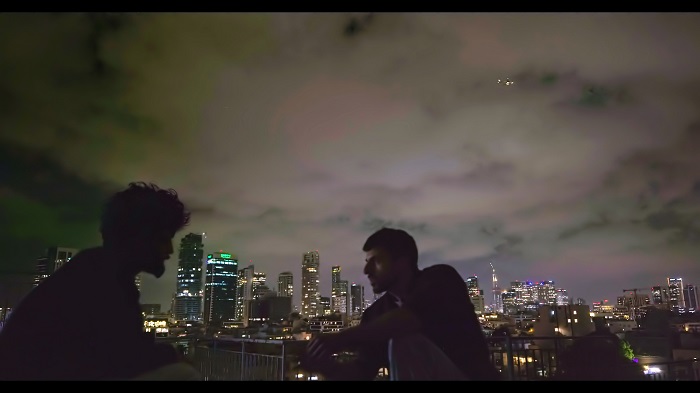
تعريف المخرج والمفكر السينمائي الفرنسي الكبير للسينما ، هي أنها ” فكر يبحث عن شكل، وشكل يفكر “.. وذلك لأنها تستطيع، أكثر مماهو مجرد” تسلية” في أوقات الفراغ، ودغدغة للحواس، وترويج لقيم وأدوات مجتمعات الإستهلاك الكبرى الرأسمالية تستطيع مثلا كما في فيلم ” نازا ” – NAZA -الإسرائيلي السياسي الكبير- بالقليل حجا كما يكشف الفيلم وبإمكاتيات جد محدودة-حيث تدور أحداثه في مدينة تل أبيب فوق سطح إحدي العمارات ، ويقوم مخرجان اسرائيليان بتسجيل شهادات لمجموعة من ضباط المخابرات في الجيش الاسرائلي الذين اخترعوا بواسطة الذكاء الاصطناعي تطبيقات حديثة تساعدهم على تعقب رجال المقاومة في منظمة حماس في غزة ولبنان، والقضاء عليهم واحدا بعد الآخر، حتى لز اضطروا – لتحقيق ذلك – تفجير عمارة بسكانها بأكملها ، وحتى لو كان من ضمنهم أطفال ونساء ورجال عزل، ويقول احد الجنود المتعاونين مباشرة مع رئيس الوزراء الاسرائلي، أنه طلب من إدارة هذا القسم الخاص في المخابرات الاسرائيلية الإذن بتفجير قيادي ما في حماس ، محذرا في ذات الوقت بأن هناك في المبني أكثر من 700 شخصا من ضمنهم نساء وأطفال ومرضى وعجائز، فكان رد الإدارة، بأنه لايهم حتى لو كان حوله ألف شخص وعليه أن يفجر البيت وينفذ الأمر فورا.. أجل تسطيع السينما أن تدين نظاما غسكريا دمويا وفاشيا مثل النظام الإسرائيلي، بجريمة قتل البشر، وإبادة الشعب الفلسطيني في غزة، فالسينما سلاح ضد القمع والقهر ، ومع القانون وحقوق الإنسان ، تستطيع السينما كما في فيلم ” نازا ” ، أن تفضح ” نازية “مجتمعات اليمين الاسرائلي الفاشي ، وذلك المجرم السفاح نتنياهو المطلوب القبض عليه من المحكمة الدولية، بتهمة إبادة شعب GENOCIDE.
فقط في السينما كما يقول المخرج الفلسطيني إيليا سليمان تستطيع أن تدمر دبابة بنواة حبة مشمش
( يتبع )
During the 47th Cairo International Film Festival, I made a point of attending many of the seminars, discussions and meetings organized in honour of the festival’s distinguished guests and outstanding cinematic figures, whether they were towering personalities in the film industry or, first and foremost, major figures in the realm of thought.
For cinema, which I always insist on describing as “the great civilization of human behaviour” — as the young Egyptian critic Mahmoud Abdel Shakour aptly observed, a critic whom I consider an extension of our generation of critics and writers from the glorious 1960s — is, above all, an intellectual pursuit.
The definition of cinema offered by the great French filmmaker and thinker is that it is “a thought searching for a form, and a form that thinks.”
This is because cinema is capable of doing far more than simply providing “entertainment” during our leisure time, stimulating our senses, or promoting the values and instruments of the great capitalist consumer societies.
Cinema can, for example, as demonstrated by the major Israeli political film NAZA, expose the workings of a murderous military system with very little, as the film itself reveals, and with extremely limited resources.
The events take place in Tel Aviv, on the rooftop of an apartment building. Two Israeli filmmakers record the testimonies of a group of intelligence officers in the Israeli army who have developed sophisticated applications using artificial intelligence to help them track down members of the Hamas resistance movement in Gaza and Lebanon, and eliminate them one after another.
In order to achieve this objective, they have even resorted to blowing up entire residential buildings with their inhabitants still inside, including women, children and unarmed men.
One of the soldiers who works directly with the Israeli Prime Minister recounts that he had asked the leadership of this special intelligence unit for permission to blow up a building in which a Hamas leader was located. At the same time, he warned them that the building contained more than 700 people, including women, children, sick people and the elderly.
The response from the command was unequivocal: it did not matter even if there were a thousand people surrounding the target. He was to blow up the house and carry out the order immediately.
Yes, cinema can condemn a bloodthirsty and fascist military regime such as the Israeli regime for its crimes against humanity and the extermination of the Palestinian people in Gaza.
Cinema is a weapon against repression and oppression, and a weapon in defence of the law and human rights.
As NAZA demonstrates, cinema can expose the Nazi-like character of Israeli fascist far-right circles, as well
as that of Benjamin Netanyahu, the war criminal accused of genocide, who is wanted under an arrest warrant issued by the International Criminal Court.-
–
—
J’ai tenu, lors du 47e Festival international du film du Caire, à assister à de nombreux débats, rencontres et tables rondes organisés en l’honneur des personnalités exceptionnelles du cinéma auxquelles le festival rendait hommage, qu’elles soient de grandes figures de l’industrie cinématographique ou, bien entendu, de la pensée, avant toute autre considération.
Car le cinéma, que je tiens toujours à définir comme une « grande civilisation du comportement humain » — ainsi que l’a justement remarqué le jeune critique égyptien Mahmoud Abdel Shakour, que je considère comme le prolongement de notre génération de critiques et d’écrivains des glorieuses années soixante — est avant tout une pensée.
La définition du cinéma donnée par le grand cinéaste et penseur français est la suivante : « Une pensée qui cherche une forme, et une forme qui pense. »
Cela tient au fait que le cinéma est capable de bien davantage que de nous offrir un simple « divertissement » pendant les heures de loisir, de flatter nos sens ou de promouvoir les valeurs et les instruments des grandes sociétés capitalistes de consommation.
Il peut, par exemple, comme le démontre le grand film politique israélien NAZA, réalisé avec des moyens extrêmement limités, et comme le révèle le film lui-même, dénoncer les mécanismes d’un système militaire meurtrier.
L’action se déroule à Tel-Aviv, sur le toit d’un immeuble. Deux réalisateurs israéliens recueillent les témoignages d’un groupe d’officiers du renseignement de l’armée israélienne qui ont mis au point, grâce à l’intelligence artificielle, des applications sophistiquées leur permettant de traquer les membres de la résistance du Hamas à Gaza et au Liban, puis de les éliminer un à un.
Pour parvenir à leurs fins, ils en sont même venus à faire exploser des immeubles entiers avec leurs habitants à l’intérieur, y compris des femmes, des enfants et des hommes sans défense.
L’un des soldats qui collaborent directement avec le Premier ministre israélien raconte qu’il avait demandé à la direction de cette unité spéciale du renseignement l’autorisation de faire exploser un immeuble où se trouvait un dirigeant du Hamas. Il avait pourtant précisé que le bâtiment abritait plus de 700 personnes, parmi lesquelles des femmes, des enfants, des malades et des personnes âgées.
La réponse de ses supérieurs fut sans équivoque : peu importait qu’il y ait même mille personnes autour de la cible ; il devait faire exploser la maison et exécuter immédiatement l’ordre.
Oui, le cinéma est capable de dénoncer un régime militaire sanguinaire et fasciste, tel que le régime israélien, pour ses crimes contre l’humanité et l’extermination du peuple palestinien à Gaza.
Le cinéma est une arme contre la répression et l’oppression, et en faveur du droit et des droits humains.
Comme le démontre le film NAZA, le cinéma peut mettre à nu le caractère nazi des milieux de l’extrême droite fasciste israélienne, ainsi que celui de Netanyahou, ce criminel de guerre, accusé de génocide et faisant l’objet d’un mandat d’arrêt de la Cour pénale internationale.