مهرجان القاهرة السينمائي الدولي في دورته 46 ماذا حقق ؟ دورة تاريخية عن إستحقاق وجدارة . بقلم صلاح هاشم
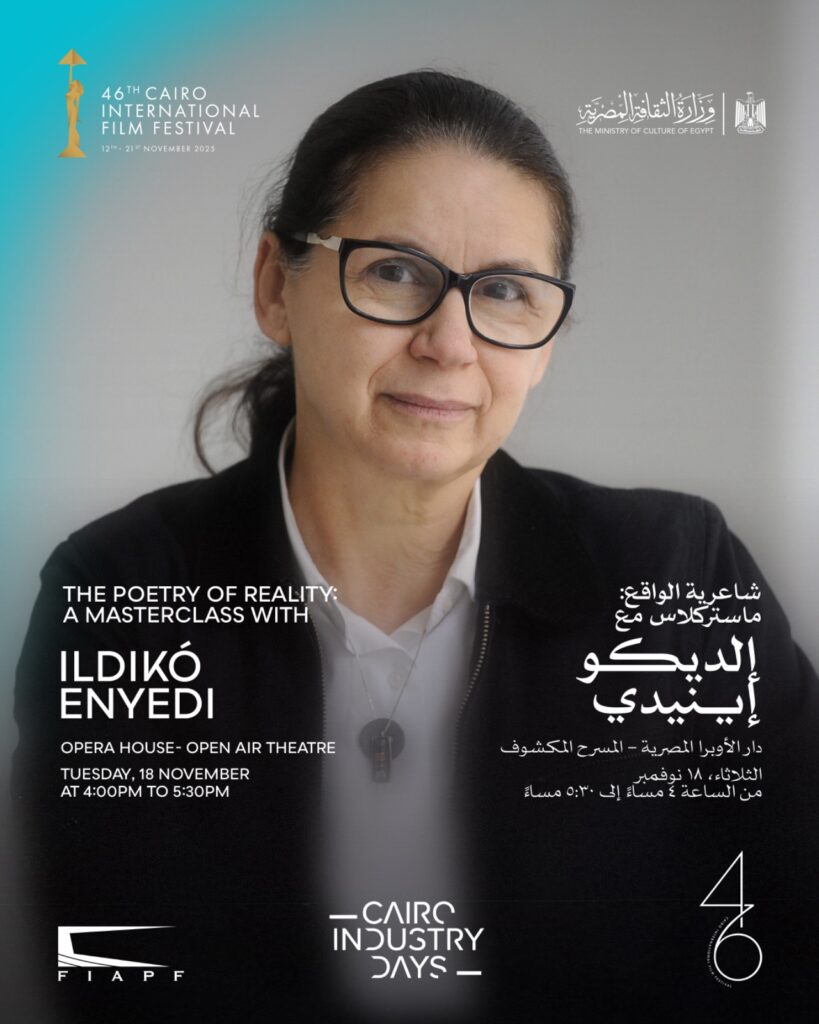
تحية الى مهرجان القاهرة السينمائي الدولي 46 الذي حقق في دورنه 46 نجاحا ساحقا ، وأعلى مستوى من الإحترافية والمهنية العالية، التي جعلت من هذه الدورة 46 في رأيي دورة تاريخية بإمتياز، وفي غاية الأهمية في تاريخ المهرجان،وعلى أعلى مستوي من حيث : اختيار الضيوف من المخرجبن الكبار من أمثال التركي نوري بيلغ شيلان
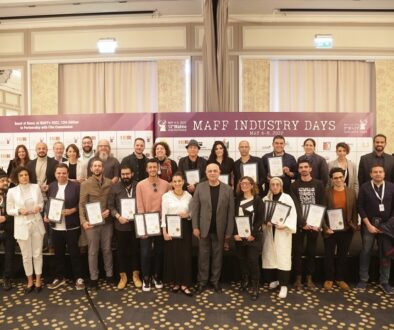
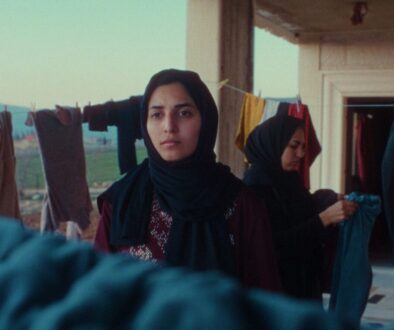
والمجرية إلديكو إينيدي، و إختيار الأفلام : مثل فيلم ” اليعسوب, dragonfly و الفيلم الصيني عالم النباتات والمكرمين : مثل مدير التصوير المصري الكبير محمود عبد السميع ،والندوات : مثل ندوة نوري بيلغ شيلان التي أدارها الناقد المصري ورئيس الفبريسي أحمد شوقي ، وأضاف مهرجان “أيام الصناعة السينمائية ” إدارة محمدسيد عبد الرحيم كمهرجان داخل المهرجان الكبير ،كما حالفه التوفيق أيضا في اختيار لجان التحكيم ، ونتائج المسابقات من الأفلام، ذات القيمة العالية اجتماعيا وسياسيا وفنيا، وكانت الدورة 46 دورة رائعةمن الاكتشافات، والمواهب المصرية والعربية و العالمية المبهرة،
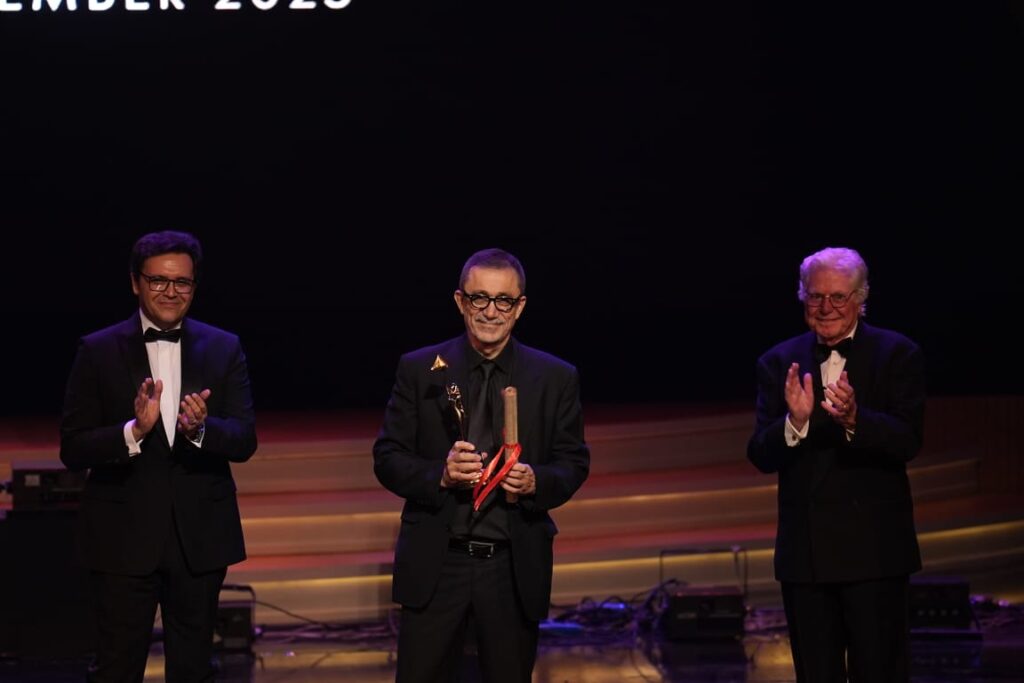

فيلم اليعسوب أو BUTTERFY في رأينا هو أحسن فيلم في الدورة 46
لكني كنت أتمنى فقط أن يكون هناك في طوابير حجز التذاكر جمهور أكبر من الناس المصريين العاديين، للاستفادة من كل تلك الإنجازات التي وضعت المهرجان في القمة ، كأهم مهرجان سينمائي عالمي في منطقة الشرق الأوسط والعالم العربي ، لكنهم غابوا للاسف عن ساحة المهرجان،
واعتقد أن هناك “سوء تفاهم” ما بين المهرجان والجمهور العادي، الذي يظن أن مهرجان القاهرة للسينما ،كما بشاهده في حفل الافتتاح في التليفزيون، هو مجرد عروض أزياء فقط ، وأحيانا بعري فاضح ومشاغب ومقصود، وبسبب التعطيات التليفزيونية التافهة السخيفة لحفل الافتتاح ،و ولذا يعتقد الجمهزر الحادي، انه مجرد عرض ازياء مستمر وهكذ للأسف، طوال فترة إنعقاد المهرجان ، وأنه مكرس ومصنوع فقط للنخبة وأثرياء البلد ، كما بعض المهرجانات السياحية الترفيهية المصرية المسلية والمضحكة ومن دون ذكر أسماء ، وعلى إدارة المهرجان الرشيدة بقيادة المايسترو الفنان الكبير حسين فهمي رئيس المهرجان ، العمل على تغيير تلك النظرة ، بشتى الوسائل.

بقلم

صلاح هاشم مصطفى
صلاح هاشم كاتب وناقد ومخرج سينمائي مصري مقيم في باريس . فرنسا .مؤسس ورئيس تحرير موقع ” سينما إيزيس” أول موقع سينمائي مصري إحترافي ومستقل، على شبكة الإنترنت، ويعني الموقع بفكر السينما المعاصرة وفنون الصورة
Cairo International Film Festival – 46th Edition: A Historic Milestone
By Salah Hashem
The 46th Cairo International Film Festival stands out as one of the most successful and professionally executed editions in the festival’s long history. In my view, it was not simply another annual event, but a truly historic milestone that reaffirmed Cairo’s position as a leading cinematic center in the Middle East and the Arab world.
A Remarkable Level of Professionalism
This edition achieved an exceptional level of organization, vision, and artistic integrity. From planning to execution, the festival displayed a maturity and professionalism that reflected both experience and ambition. Every element — from programming to guest curation — demonstrated careful thought and high standards.
Distinguished Guests and Celebrated Artists
One of the festival’s greatest strengths was its selection of international guests. Renowned filmmakers such as the Turkish master Nuri Bilge Ceylan and the Hungarian director Ildikó Enyedi brought prestige and intellectual depth to the program. Their presence elevated the festival’s global standing and reinforced its role as a meeting place for the world’s great cinematic voices.
The festival also paid tribute to distinguished Egyptian talents, including the great cinematographer Mahmoud Abdel Samea, recognizing the important contributions of national artists to the art of cinema.
Meaningful Film Selections
The chosen films reflected strong artistic and thematic value. Among the highlights were Dragonfly and the Chinese film The World of Plants. These selections confirmed the festival’s commitment to presenting cinema that is not only entertaining, but also socially, politically, and artistically significant.
The competition results further proved the intelligence and fairness of the jury selections, honoring films that carried powerful messages and innovative cinematic language.
Thoughtful Discussions and Industry Support
The seminars and discussions formed an essential intellectual dimension of the festival. Notably, the seminar with Nuri Bilge Ceylan, moderated by Egyptian critic and FIPRESCI president Ahmed Shawky, provided valuable insight into filmmaking, aesthetics, and creative process.
Another important addition was the introduction of the “Industry Days” program, directed by Mohamed Sayed Abdel Rahim. This initiative functioned as a festival within the festival, offering professional development, networking opportunities, and practical support for filmmakers and producers.
A Missed Connection with the General Public
Despite its outstanding achievements, one important element was missing: the presence of a large number of ordinary Egyptian citizens in the ticket lines and at the screenings. Their absence revealed a troubling gap between the festival and the wider public.
There seems to be a misunderstanding. Many citizens associate the Cairo Film Festival only with the images they see during the televised opening ceremony — a red carpet, glamorous fashion, and sometimes provocative appearances. Due to shallow and superficial television coverage, a false image has formed in the public mind: that the festival is merely an ongoing fashion show created for elites and the wealthy.
In reality, the Cairo International Film Festival is a serious cultural and artistic platform that deserves a broad and diverse audience. Bridging this gap between the festival and the public is now one of the most important challenges for its organizers.
The Road Ahead
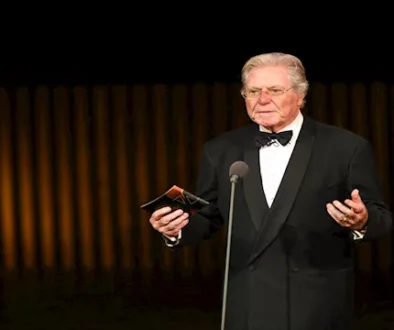
Under the leadership of the maestro and great artist Hussein Fahmy, the festival’s administration must work through every possible channel — media, education, outreach, and cultural institutions — to change this perception and bring the Egyptian public back to their own festival.
The 46th edition showed what Cairo is truly capable of achieving. The next step is to ensure that these achievements are seen, understood, and embraced by the people for whom this great artistic celebration was created.
Salah Hashem Moustafa is an Egyptian writer, critic, and film director based in Paris, France. He is the founder and editor-in-chief of Cinema Isis (newcinemaisis.com), the first professional and independent Egyptian cinema website dedicated to contemporary film and the visual arts.
Festival international du film du Caire – 46ᵉ édition : un jalon historique
Par Salah Hashem
La 46ᵉ édition du Festival international du film du Caire s’impose comme l’une des plus réussies et des plus abouties, sur les plans professionnel et artistique, dans toute l’histoire du festival. À mon avis, il ne s’agissait pas d’une simple édition annuelle, mais d’un véritable moment historique qui a confirmé la place du Caire comme centre cinématographique majeur au Moyen-Orient et dans le monde arabe.
Un remarquable niveau de professionnalisme
Cette édition a atteint un niveau exceptionnel d’organisation, de vision et d’intégrité artistique. De la conception à la réalisation, le festival a montré une grande maturité et un professionnalisme évident. Chaque aspect — de la programmation au choix des invités — témoignait d’une réflexion approfondie et d’un haut niveau d’exigence.
Des invités prestigieux et des artistes célébrés
L’un des points forts du festival a été la sélection d’invités internationaux de premier plan. Des cinéastes renommés comme le maître turc Nuri Bilge Ceylan et la réalisatrice hongroise Ildikó Enyedi ont apporté au programme un immense prestige et une profondeur intellectuelle. Leur présence a renforcé la dimension internationale du festival et son rôle en tant que carrefour des grandes voix du cinéma mondial.
Le festival a également rendu hommage à d’éminents talents égyptiens, notamment au grand directeur de la photographie Mahmoud Abdel Samea, reconnaissant ainsi la contribution essentielle des artistes nationaux à l’art du cinéma.
Une sélection de films remarquable
Les films choisis se distinguaient par leur force artistique et thématique. Parmi les œuvres marquantes figuraient Dragonfly ainsi que le film chinois Le Monde des plantes. Ces choix confirment l’engagement du festival à présenter un cinéma qui n’est pas seulement divertissant, mais aussi porteur de valeurs sociales, politiques et esthétiques fortes.
Les résultats des compétitions ont, eux aussi, démontré la pertinence et l’équité du travail des jurys, récompensant des films à la fois audacieux et significatifs.
Des débats enrichissants et un soutien à l’industrie
Les rencontres et les séminaires ont constitué une dimension intellectuelle essentielle du festival. En particulier, la rencontre avec Nuri Bilge Ceylan, animée par le critique égyptien et président de la FIPRESCI, Ahmed Shawky, a offert un éclairage précieux sur le cinéma, l’esthétique et le processus de création.
Autre ajout majeur : l’introduction du programme « Journées de l’industrie cinématographique », dirigé par Mohamed Sayed Abdel Rahim. Cette initiative a fonctionné comme un festival à l’intérieur du festival, proposant des opportunités de formation, de mise en réseau et de soutien concret aux cinéastes et producteurs.
Une connexion manquée avec le grand public
Malgré ses grandes réussites, un élément important faisait défaut : la présence d’un public égyptien plus large, issu de toutes les couches de la société, dans les files d’attente et les salles de projection. Cette absence révèle un fossé préoccupant entre le festival et le public.
Il existe, semble-t-il, un malentendu. Beaucoup de citoyens associent le Festival du film du Caire uniquement aux images diffusées à la télévision lors de la cérémonie d’ouverture : tapis rouge, tenues glamour, et parfois apparitions provocantes. En raison d’une couverture médiatique superficielle, une fausse perception s’est imposée, celle d’un simple défilé de mode réservé aux élites et aux plus riches.
En réalité, le Festival international du film du Caire est une plateforme culturelle et artistique sérieuse, qui mérite un public large, diversifié et engagé. Réduire cet écart entre le festival et les citoyens est aujourd’hui l’un des plus grands défis à relever.
Le chemin à suivre
Sous la direction du maestro et grand artiste Hussein Fahmy, l’administration du festival doit œuvrer, par tous les moyens possibles — à travers les médias, l’éducation, les initiatives culturelles et la proximité avec le public — à transformer cette perception et à redonner au peuple égyptien le sentiment que ce festival lui appartient pleinement.
La 46ᵉ édition a démontré tout le potentiel du Caire. La prochaine étape consiste désormais à faire en sorte que ces réussites soient vues, comprises et partagées par le public auquel cette grande célébration artistique est destinée.
Salah Hashem Moustafa est un écrivain, critique et réalisateur égyptien basé à Paris, en France. Il est le fondateur et rédacteur en chef de Cinema Isis (newcinemaisis.com), premier site cinématographique égyptien professionnel et indépendant, consacré au cinéma contemporain et aux arts visuels.
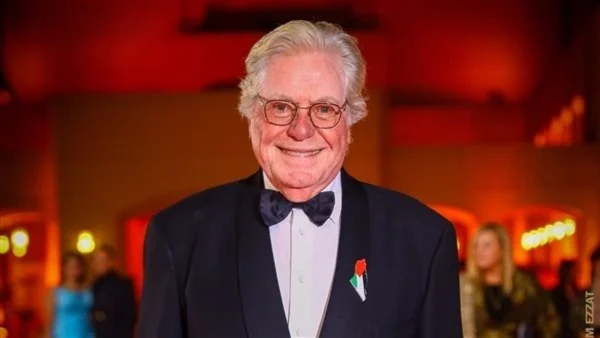
المايسترو رئيس المهرجان الفنان المصري الكبير حسين فهمي